

Institute of Pediatric Sleep and Parenting (IPSP) Calls for Higher Standards in Sleep Consultant Certification Industry
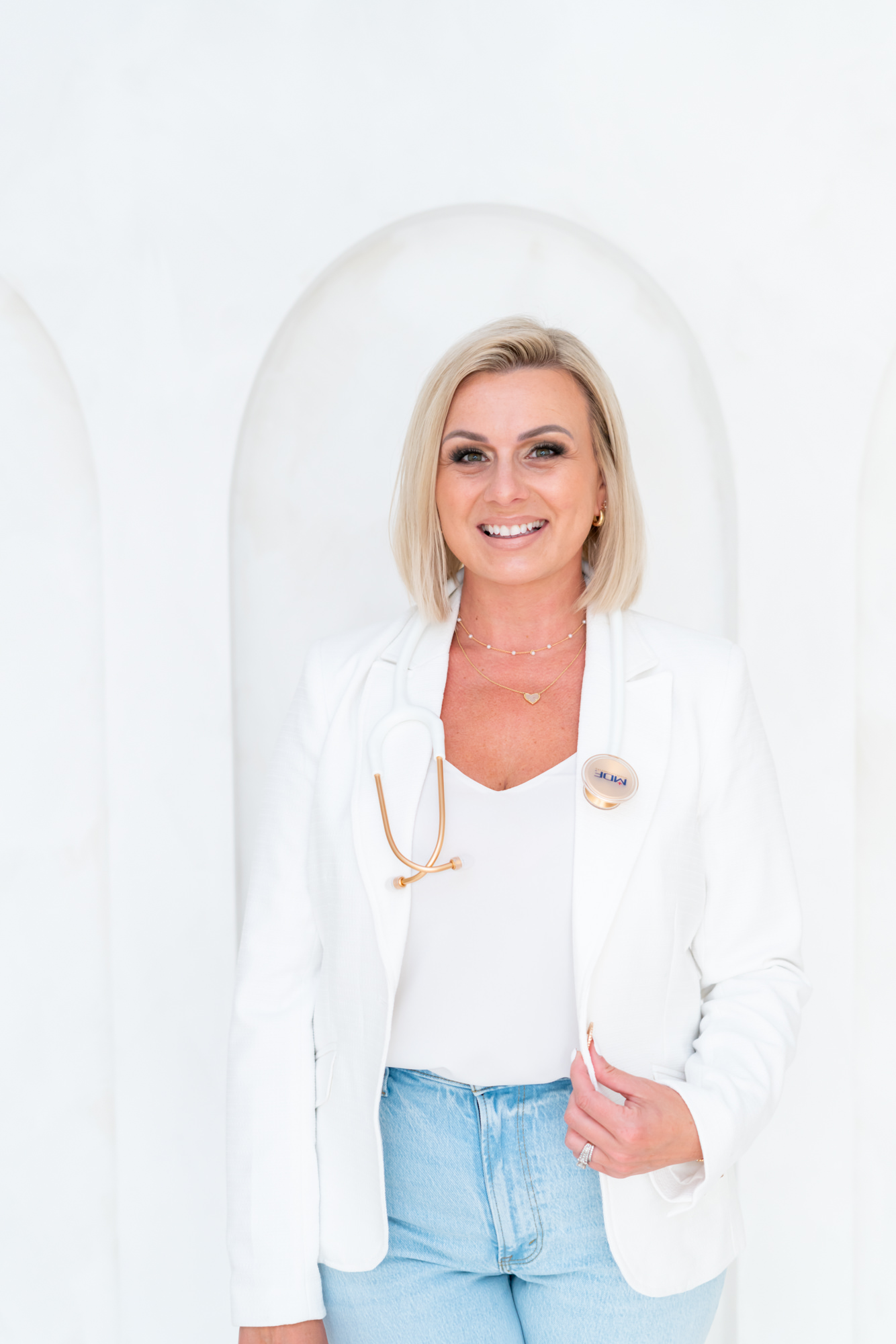
IPSP raises alarm after review finds more than 70% of Sleep Consultant Certification Programs examined are led by individuals without relevant education.
Families deserve properly educated consultants—and students deserve careers, not lawsuits. When education fails to teach scope, safety, and red flags, everyone is placed at risk.”
NEW YORK, NY, UNITED STATES, September 24, 2026 /EINPresswire.com/ -- IPSP stands apart with education developed and taught by credentialed professionals in pediatrics, healthcare, psychology, mental health, child development, and education.— Violet Giannone, RN, Founder and Director of IPSP.
As the pediatric sleep consulting industry continues to grow rapidly, the Institute of Pediatric Sleep and Parenting (IPSP) is raising concerns about the increasing number of sleep consultant certification programs being marketed as “science-based” and “evidence-based” despite being led by individuals without formal backgrounds in healthcare, clinical pediatrics, psychology, child development, mental health, or evidence-based education.
According to IPSP founder Violet Giannone, RN the lack of educational standards and regulation within the industry has created a concerning environment in which aspiring consultants may unknowingly invest thousands of dollars in programs that do not provide adequate scientific, developmental, or clinical foundations.
An IPSP review of faculty qualifications found that an alarming majority—more than 70%—of the sleep consultant certification programs examined were founded or led by individuals whose education and professional backgrounds were unrelated to the scientific and clinical subjects they were teaching. These individuals lacked formal qualifications in healthcare, clinical pediatrics, psychology, child development, mental health, education, or any comparable discipline that would qualify them to educate future professionals about pediatric sleep, safety, development, behavior, and family wellbeing.
IPSP was created to address this exact gap. Its curriculum is developed, taught, and supported by credentialed professionals whose education and experience directly reflect the seriousness of the subjects they teach.
“Many of the most heavily marketed sleep consultant certification programs are being directed by individuals whose professional backgrounds are completely unrelated to healthcare, clinical pediatrics, psychology, child development, mental health, or science-based education,” said Giannone. “Some come from backgrounds in catering, corporate sales, hospitality, or nannying—yet are teaching courses marketed as ‘science-based’ and ‘evidence-based.’”
“This is not about discrediting professions like nannying, catering, sales, or hospitality,” Giannone added. “Those careers require real skill and experience. But personal experience or unrelated professional experience is not the same as having formal education, clinical training, or scientific expertise in infant sleep, child development, maternal mental health, or evidence-based family support.”
IPSP’s review also found that some programs prominently feature credentialed “guest speakers” to strengthen the appearance of their curriculum. However, the review found that these experts often participate only in a brief, one-time presentation. They are not employed by the school, do not develop or teach the core curriculum, and are not available to educate, mentor, or support students.
“A brief guest appearance does not create qualified faculty,” Giannone said. “Too many schools use respected names as borrowed credibility while the actual program remains led by individuals without relevant qualifications. At IPSP, we do not borrow credibility—we employ it.”
The organization says the issue extends far beyond marketing language.
“Parents assume that if a course teaches infant sleep science, development, safety, behavior, and maternal wellbeing, the people teaching it must have formal education and expertise in those subjects,” Giannone said. “In many cases, that assumption is wrong.”
IPSP warns that inadequate education in these areas can leave graduates unprepared to responsibly support families through complex sleep challenges involving infant development, feeding concerns, behavioral issues, emotional wellbeing, safety considerations, and medical red flags requiring referral to healthcare professionals.
“The danger is not simply poor-quality education,” Giannone explained. “The danger is producing consultants who may feel professionally qualified to guide vulnerable families through complex situations without having received sufficient scientific, developmental, or clinical education themselves.”
“You do not need to diagnose to understand when something is outside your scope,” Giannone added. “That is the entire point of medical, clinical, psychological, and child development education—knowing when not to give a sleep plan, recognizing red flags, and understanding when a family needs a referral instead of sleep training. That is the difference.”
Founded in 2014, IPSP has trained nearly 2,000 students across more than 50 countries and has built its reputation around evidence-based education, individualized care, ethical practice, and comprehensive mentorship. Unlike programs that rely heavily on one-time guest speakers, IPSP’s curriculum is taught and supported by active faculty with backgrounds in pediatrics, healthcare, psychology, mental health, child development, and education.
IPSP’s faculty and contributors include board-certified pediatric physicians, registered nurses, licensed mental health professionals, psychologists, certified educators, and instructional design specialists. Its curriculum is continuously updated to reflect current research and recommendations from leading organizations such as the American Academy of Pediatrics.
“IPSP has also seen a growing influx of sleep consultants enrolling after completing other certification programs that initially appeared credible based on marketing alone,” Giannone said. “Many describe experiencing instant regret once they realized the education lacked scientific depth, meaningful mentorship, clinical understanding, or instructors whose backgrounds actually reflected expertise in infant sleep, child development, psychology, or healthcare.”
The organization says aspiring sleep consultants should carefully evaluate who is actually creating and teaching a program before enrolling.
“Using the phrase ‘evidence-based’ in marketing does not automatically make a program evidence-based,” said Giannone. “Students deserve full transparency about the educational backgrounds and qualifications of the people creating and teaching the curriculum.”
“A simple question every prospective student should ask is, ‘What is your educational background?’ If someone is teaching infant sleep science, child development, maternal wellbeing, red flags, and safety—but their only qualification is being a sleep consultant or working in a completely unrelated field—that should concern you,” Giannone continued. “Aspiring consultants who ignore that risk doing a major disservice not only to themselves, but also to the vulnerable families they will eventually support.”
IPSP is encouraging prospective students to look beyond social media marketing and carefully examine faculty qualifications, mentorship structure, curriculum depth, accreditation, and educational standards before investing in a certification program.
“Families deserve consultants who were educated by instructors whose own résumés reflect genuine expertise in the subjects they are teaching,” Giannone said. “This industry serves exhausted, vulnerable families. Educational standards matter.”
About the Institute of Pediatric Sleep and Parenting
The Institute of Pediatric Sleep and Parenting (IPSP) is recognized as one of the world’s leading schools for pediatric sleep consultant certification, setting the standard for comprehensive, evidence-based education and professional mentorship, specializing in pediatric sleep, lactation, newborn care, special needs, and family support. Founded in 2014 by registered nurse Violet Giannone, IPSP has educated nearly 2,000 students across more than 50 countries.
IPSP’s certification programs are developed and taught by credentialed professionals in pediatrics, healthcare, psychology, mental health, child development, and education. The institute is committed to raising industry standards through comprehensive, evidence-based education, ethical practice, individualized care, and meaningful professional mentorship.
For more information about IPSP and its pediatric sleep consultant certification program, visit:
https://instituteofpediatricsleep.com
Violet Giannone
Institute of Pediatric Sleep and Parenting
+1 860-325-0045
info@instituteofpediatricsleep.com
Visit us on social media:
LinkedIn
Legal Disclaimer:
EIN Presswire provides this news content "as is" without warranty of any kind. We do not accept any responsibility or liability for the accuracy, content, images, videos, licenses, completeness, legality, or reliability of the information contained in this article. If you have any complaints or copyright issues related to this article, kindly contact the author above.
